 tastesy
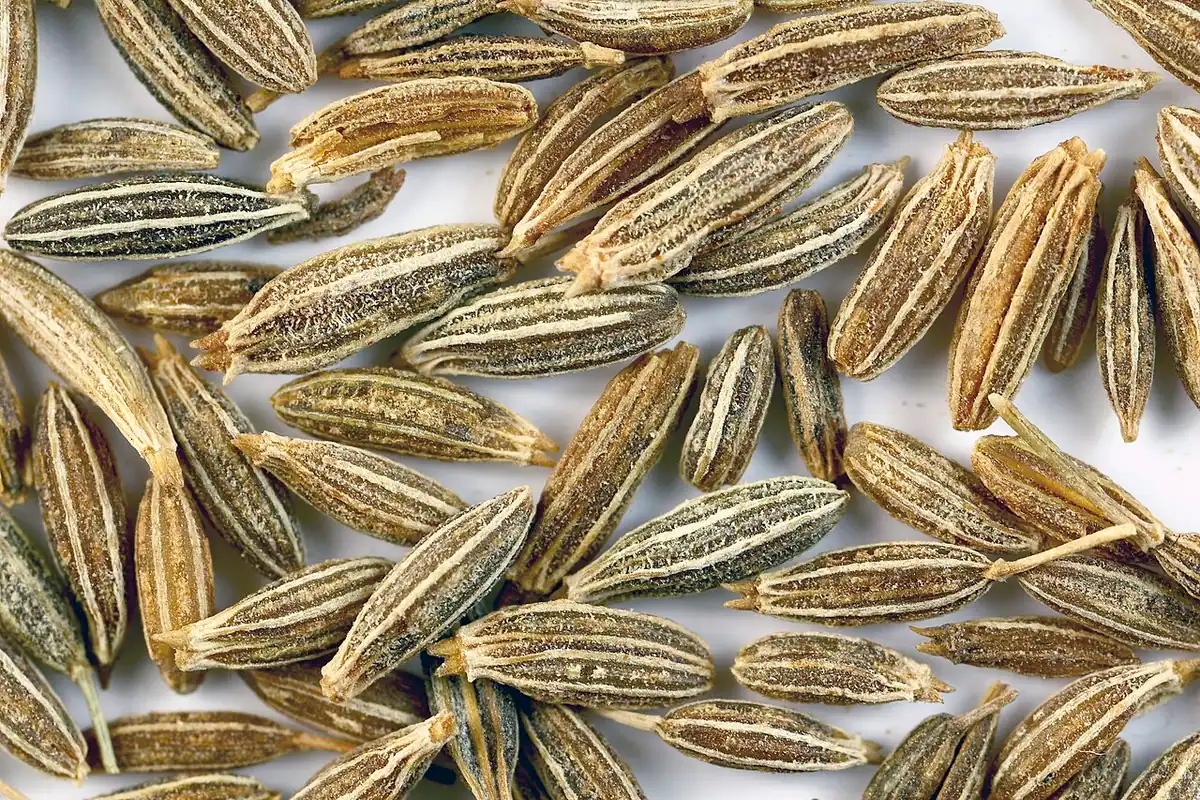
Ordinary jeera is cumin, Cuminum cyminum. Shahi jeera is not a sufficiently precise label to assume that a product is ordinary cumin. Before substituting or relabelling a packet, check the full product description and any botanical name supplied.
This is a naming guide. It does not identify an unknown loose spice from a photograph or claim that every seller uses a market name in exactly the same way.
Begin with ordinary cumin
The Spices Board identifies cumin as Cuminum cyminum and lists jeera, jira and zeera among Indian names. This provides a useful anchor: when a recipe says ordinary cumin or jeera, you have a botanical reference for what it means.
The photograph on this page shows ordinary cumin. It is not presented as a photograph of shahi jeera.
Why older botanical names appear on packets
You may encounter the name Bunium persicum while researching spices sold under shahi-jeera-related names. Kew’s Plants of the World Online treats Bunium persicum as a synonym of the accepted name Elwendia persica.
A synonym is an alternative botanical name used for the same taxon in a naming system. It is not permission to treat a different plant, such as Cuminum cyminum, as identical.
| Wording you encounter | What to do with it |
|---|---|
| Jeera / ordinary cumin | Check for Cuminum cyminum |
| Bunium persicum | Recognise that Kew places it under Elwendia persica |
| Shahi jeera without more detail | Ask for the botanical identity or fuller product description |
| Black cumin | Do not assign a species from this English name alone |
Keep regional words separate from species claims
Household names are useful, but they do not always map one-to-one to scientific names. Transliteration adds more variation: the same familiar word can be written several ways in English.
For that reason, the ingredient finder searches aliases, while its cards show a specific scientific name and photographed form. A search match is a way to find context, not a claim that all matching names are exact synonyms.
What to ask a seller
- Is this ordinary cumin, or another product sold under the shahi jeera name?
- Is a botanical name available on the packet or supplier description?
- Is the spice whole, ground, or mixed with other ingredients?
- Can the seller explain the name used on the label?
A clear product label is more helpful than an emphatic claim that a seed “looks right”. Appearance alone cannot establish species, origin or authenticity.
What this means for cooking
Follow a recipe that clearly names its intended spice. This article does not establish a tested replacement ratio between ordinary cumin and another product, and it does not attach medicinal benefits to either.
For a less ambiguous comparison, read cumin versus fennel. To explore the broader naming system, visit Indian spices in English, Hindi and Tamil.