 tastesy
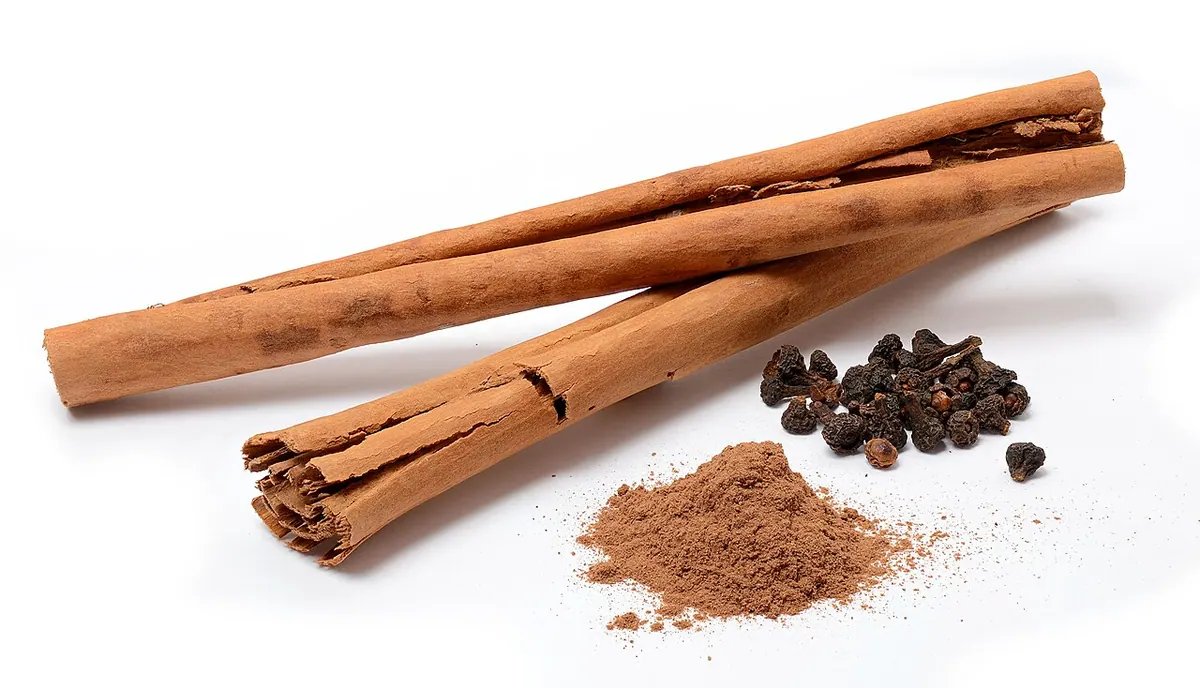
Cinnamon and cassia are related bark spices, but the names do not always describe the same plant. Ceylon cinnamon is Cinnamomum verum; Chinese cassia is Cinnamomum cassia. In a shop, a packet labelled “cinnamon” or “dalchini” may use a broader trade name rather than a precise botanical identity.
That is the useful distinction to begin with: read the ingredient description before judging the spice by its name or price.
A quick comparison
| Detail | Ceylon cinnamon | Chinese cassia |
|---|---|---|
| Botanical name | Cinnamomum verum | Cinnamomum cassia |
| Plant part used as the familiar spice | Bark | Bark |
| Common market wording | Ceylon cinnamon, true cinnamon | Cassia, Chinese cinnamon |
| What a name alone tells you | A clue to identity | A clue to identity |
The Spices Board describes cinnamon quills as overlapping pieces of inner bark. Finished sticks and broken pieces can look different depending on processing, so a picture of a perfect quill is not a universal test for every cinnamon product.
Is cassia “fake cinnamon”?
Calling all cassia fake is misleading. It is a recognised spice with its own botanical identity. The problem is an unclear or inaccurate label, especially if something is specifically sold as Ceylon cinnamon without evidence that it is Cinnamomum verum.
For a home cook, it is more helpful to ask which ingredient a recipe intends than to divide every bark spice into “real” and “fake”. If the recipe specifies Ceylon cinnamon, look for that specific wording and botanical name.
What to check while shopping
- The ingredient name. Does the packet say cinnamon, cassia, or Ceylon cinnamon?
- The botanical name, if supplied. Cinnamomum verum and Cinnamomum cassia are not interchangeable names for one species.
- The form. Whole bark, broken pieces and powder will not look the same. Powder hides the structure of the original bark.
- The seller’s explanation. An unusually strong marketing claim needs more than a photograph to support it.
This guide does not certify species, origin, purity or quality from appearance. A labelled reference photo helps you understand a product; it cannot authenticate an unknown sample.
Can you swap one for the other?
Use the recipe’s stated ingredient where possible. This is an identification guide, not a tested substitution recipe, so it does not offer a universal one-for-one ratio or promise an identical result.
If you want to understand another pair of commonly confused spices, compare cumin and fennel. You can also browse the Indian spice-name reference for regional names and real photographs.
The practical takeaway
Treat “cinnamon” as the start of a question, not the end of one. A clear label, a botanical name and a recipe that names its intended ingredient tell you more than colour or price alone.